Teaching methods are changing as classrooms become more digital and technology-driven. Students today learn better with visuals, videos, and interactive content instead of only books and lectures. Because of this, schools and training centers are upgrading their classrooms with smarter tools that make lessons easier to understand. One of the most important technologies helping in this change is the interactive panel display, which combines writing, presenting, and screen sharing in one device. It helps teachers save time and keeps students more involved during lessons. In this blog, we will discuss how interactive displays are transforming digital learning in 2026 and why they are becoming essential in modern classrooms.
Table of Contents
Also Read: Top 7 Ways Interactive Touch Panel Makes Teaching More Effective
Key Features of Modern Interactive Teaching Panels
- 4K Ultra HD Display for Clear Visuals – Modern teaching panels come with 4K resolution, making text, images, and videos very sharp and easy to read. Students sitting anywhere in the classroom can see clearly without difficulty or eye strain.
- Multi-Touch Support for Interactive Learning – Multi-touch technology allows multiple users to write or draw on the screen at the same time. This helps teachers involve students in activities, making lessons more engaging, practical, and easier to understand.
- Built-in Smart Operating System – Most panels have a built-in system that allows teachers to open apps, files, and presentations directly. This removes the need for extra devices and saves time during class.
- Wireless Screen Sharing Feature – Wireless sharing lets teachers and students connect their laptops or phones without cables. Content can be displayed instantly, making presentations smoother and classroom discussions more effective.
- Eye-Care and Anti-Glare Technology – Modern panels include eye-care and anti-glare screens that reduce strain during long classes. The display stays visible even in bright rooms, making learning comfortable for both students and teachers.
7 Ways an Interactive Panel Display is Transforming Digital Learning in 2026
1. Makes Lessons More Interactive
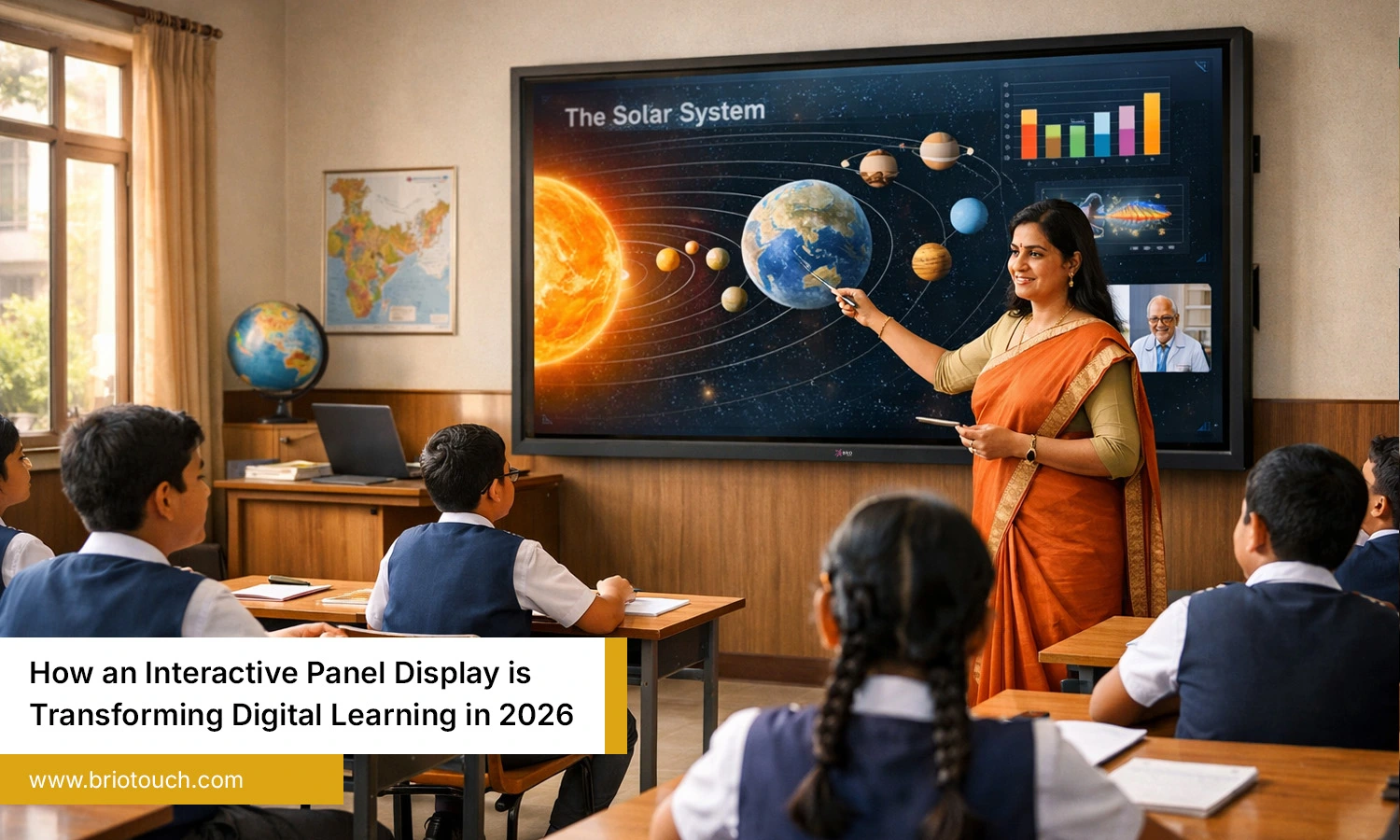
An interactive panel screen makes classroom teaching much more interactive than traditional methods. Teachers can write, draw, zoom, or move things on the screen while explaining a topic, which makes the lesson easier to follow. Instead of only reading from books, they can show diagrams, videos, or live examples during the class. Students also get the chance to come forward and solve questions on the screen, and that small change makes a big difference in attention. When students can see and do things at the same time, they understand faster. Because of this, many modern classrooms are slowly shifting to smart teaching panels.
2. Improves Student Engagement
Keeping students focused for a long time is never easy, especially when the class depends only on lectures. Many students lose interest if they only have to listen without doing anything. An interactive display helps make the lesson more interesting because teachers can use images, videos, quizzes, and live writing while explaining the topic. Students can also come to the screen, answer questions, or take part in small activities, which keeps them involved. When the class feels active, students pay more attention without being forced. Better engagement also means fewer distractions, and teachers can finish lessons on time without repeating things again and again.
3. Supports Hybrid and Online Classes
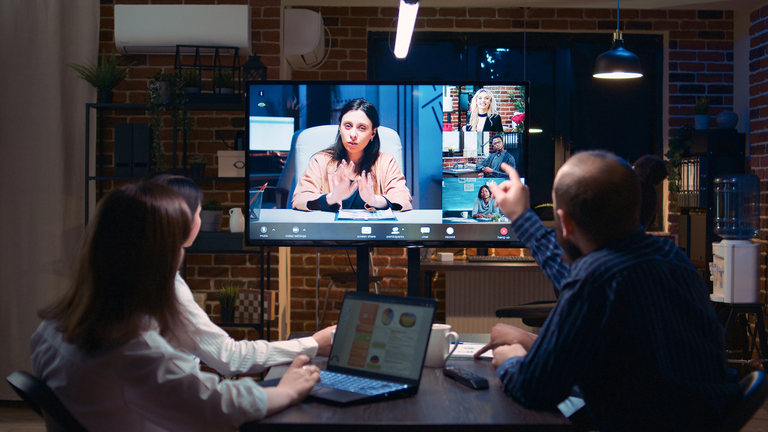
In 2026, many schools are using hybrid learning, where some students sit in the classroom while others join from home. Managing both at the same time can be difficult, but an interactive panel screen makes the process much easier. Teachers can write notes, show presentations, play videos, and even start online meetings from the same screen without using too many devices. Students who are attending online can see the lesson clearly, just like the ones in the class. This keeps everyone on the same page. With one smart panel handling everything, teachers do not need to switch systems again and again, which saves time and avoids confusion.
4. Saves Time for Teachers
Traditional classroom setups often waste time because teachers need to connect projectors, adjust cables, or switch between devices. An interactive panel display starts quickly and allows teachers to open files, presentations, and apps directly on the screen. Notes written during the class can be saved instantly and reused later, which reduces extra work. Teachers can also switch between subjects or topics without stopping the lesson. Saving even a few minutes in every class makes a big difference over time. When technology works smoothly, teachers can focus more on teaching instead of fixing technical problems again and again.
5. Reduces Dependence on Projectors
Projectors were once common in classrooms, but they have many limitations. The room often needs to be dark, the image may look dull, and the lamp requires regular replacement. An interactive panel display removes these problems because the screen stays bright and clear in any lighting condition. There is no need for extra cables, speakers, or projector screens. Everything works from one device, which makes the classroom setup simple and reliable. Schools also save money on maintenance because panels last longer and require fewer repairs. This is why many institutions are replacing projectors with modern smart displays
6. Better Classroom Collaboration
Learning becomes more effective when students work together instead of only listening to the teacher. Interactive panels support multi-touch technology, which allows multiple students to use the screen at the same time. Teachers can organize group activities, problem-solving sessions, and discussions directly on the display. Students can write answers, draw diagrams, or present their ideas in front of the class. This makes learning more practical and improves confidence. Collaboration also helps students understand different viewpoints and learn faster. A classroom that encourages participation feels more modern and active, which is why smart panels are becoming an important part of digital learning.
7. Long-Term Smart Investment for Schools
At first, an interactive panel display may look expensive when compared to projectors or normal boards, and that is why some schools hesitate to switch. But if we look at the long run, the cost is actually lower. Projectors need lamp changes, wiring, and frequent maintenance, while smart panels usually work for years without much trouble. Schools also don’t need extra devices like speakers, whiteboards, or separate systems because everything comes in one screen. This makes the classroom setup simpler and easier to manage. When schools invest in better technology, the quality of teaching improves too, which is why many now see smart panels as a long-term solution.
Conclusion
Digital learning in 2026 is becoming more advanced, and classrooms need technology that can keep up with modern teaching methods. An interactive panel helps teachers explain topics clearly, keeps students engaged, and makes lessons more interactive compared to traditional boards or projectors. From better visuals to easy collaboration and hybrid learning support, these panels make classroom teaching smoother and more effective. Schools that upgrade to smart teaching solutions are able to save time, reduce technical problems, and improve the overall learning experience. As education continues to evolve, flat panel displays are becoming an important part of building smarter and more future-ready classrooms.
Upgrade your classroom with advanced interactive panel display solutions from Briotouch. Experience smarter teaching, better visuals, and reliable performance designed for modern digital learning environments in schools, colleges, and training centers.