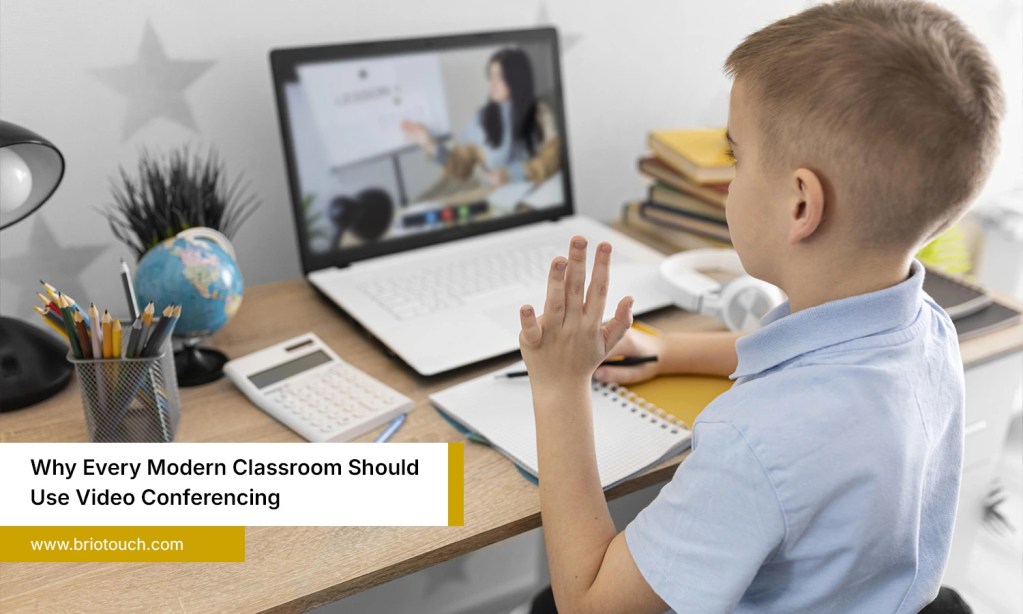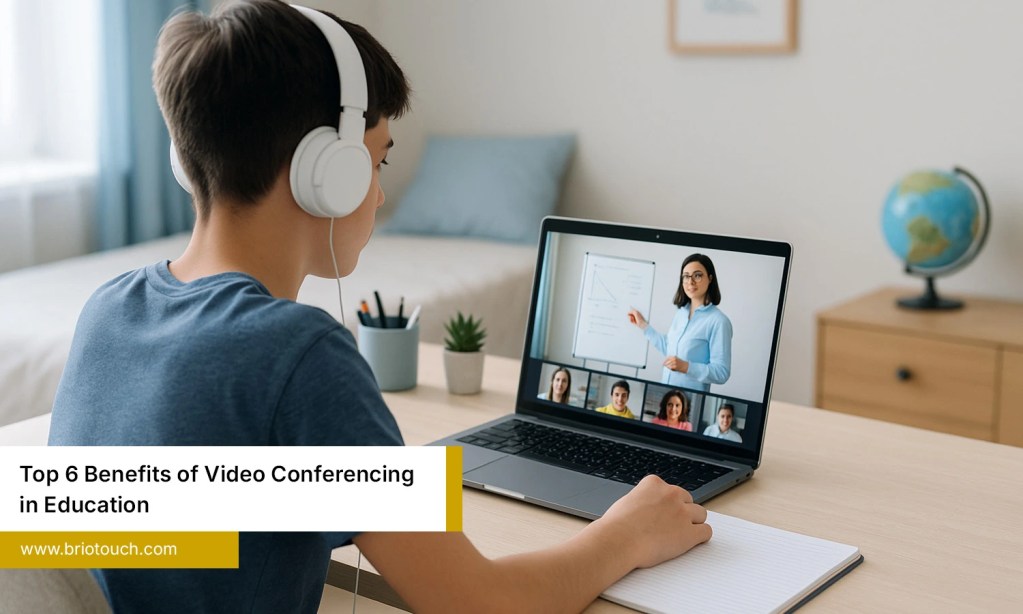

Education is no longer limited to physical classrooms. With the rise of digital technology, students and teachers can connect from almost anywhere, making learning more flexible and accessible than ever before. Schools, colleges, and training institutions are increasingly using virtual learning tools to support modern education. Among these technologies, video conferencing in education has emerged as a powerful solution for communication, collaboration, and knowledge sharing. As remote and hybrid learning continue to evolve, its importance is expected to grow even further. In this blog, we will discuss its impact, benefits, future trends, challenges, and what lies ahead for remote learning.
Table of Contents
- How Video Conferencing Has Transformed Modern Education
- Key Benefits of Video Conferencing in Education
- Emerging Trends Shaping the Future of Video Conferencing in Education
- Challenges Educational Institutions Must Address
- What the Next Five Years Could Look Like for Remote Learning
- Conclusion
- Frequently Asked Questions
Also Read: How Video Conferencing in Business Communication Improves Team Productivity
How Video Conferencing Has Transformed Modern Education
The education sector has experienced a significant transformation with the adoption of virtual communication technologies. Students can now attend classes, participate in discussions, and collaborate on projects regardless of their location. Educational institutions have expanded learning opportunities while improving accessibility for diverse groups of learners. The use of video conferencing in education has also enabled schools to continue delivering lessons during disruptions and support flexible learning models.
Key Changes in Modern Education
- Learning is no longer restricted by geography.
- Students can access classes from any location.
- Institutions can invite global experts and guest speakers.
- Virtual collaboration has become easier.
- Remote and hybrid learning models are growing rapidly.
Key Benefits of Video Conferencing in Education
1. Improved Student Engagement
Traditional online learning often struggles to keep students actively involved. Modern conferencing platforms solve this challenge by offering interactive features such as live discussions, polls, breakout rooms, and real-time chat. These tools encourage participation and create a more engaging learning environment. Through video conferencing in education, students can interact directly with teachers and classmates, helping them stay focused and connected throughout lessons. Increased engagement often leads to better understanding, stronger participation, and improved academic outcomes.
2. Greater Flexibility
Flexibility is one of the most valuable advantages of virtual learning. Students can attend classes from home, while institutions can deliver lessons to learners across different regions. Recorded sessions also allow students to revisit lessons whenever needed. This flexibility benefits working professionals, adult learners, and students with varying schedules. The growing use of video conferencing in education supports a learning environment that adapts to individual needs without compromising educational quality. As a result, learning becomes more convenient and accessible for a wider audience.
3. Cost Savings for Institutions
Educational institutions often face significant operational expenses related to travel, events, and physical infrastructure. Virtual learning environments help reduce many of these costs while maintaining educational effectiveness. Schools can organize meetings, workshops, seminars, and training sessions online without requiring extensive logistical arrangements. This approach allows institutions to optimize resources and allocate budgets more efficiently. By adopting video conferencing in education, organizations can expand their reach while minimizing expenses associated with traditional in-person activities and educational events.
4. Enhanced Collaboration
Collaboration plays an important role in the learning process. Modern conferencing tools provide features that allow students to work together regardless of distance. Shared documents, screen sharing, breakout rooms, and group discussions encourage teamwork and active participation. Teachers can also collaborate with colleagues from different institutions to exchange ideas and best practices. The integration of video conferencing in education makes collaboration more effective by connecting participants in real time. These interactions help develop communication, teamwork, and problem-solving skills that are valuable beyond academics.
Emerging Trends Shaping the Future of Video Conferencing in Education
AI-Powered Learning Experiences
Artificial intelligence is making virtual learning smarter and more efficient. Features such as automated transcription, lecture summaries, language translation, and participation analytics help improve accessibility and support both teachers and students during online classes.
Hybrid Learning Models
Hybrid education combines classroom teaching with remote participation. This approach offers flexibility while ensuring that students can continue learning regardless of location. It is becoming a preferred model for many educational institutions worldwide.
Interactive Digital Classrooms
Virtual classrooms are becoming increasingly interactive through digital whiteboards, collaborative tools, quizzes, and screen-sharing capabilities. These features encourage participation and create learning experiences that closely resemble traditional classroom environments.
Personalized Learning Through Analytics
Learning analytics provide valuable insights into student performance and engagement. Teachers can identify learning gaps, monitor progress, and create personalized educational experiences that better meet individual student needs and learning objectives.
Challenges Educational Institutions Must Address
Internet Connectivity Issues: Many students still face unstable internet connections, especially in rural and remote areas. Poor connectivity can disrupt live classes, cause communication gaps, and make it difficult to maintain consistent learning experiences.
Digital Fatigue: Spending several hours in virtual classes can lead to screen fatigue and reduced attention spans. Over time, this may affect student participation, motivation, engagement, and overall academic performance.
Data Privacy and Security: Online learning platforms handle large amounts of student data. Educational institutions must implement strong security measures, secure access controls, and privacy policies to protect sensitive information from cyber threats.
Technology Adoption Barriers: Some educators and learners may find it challenging to adapt to new digital platforms and online teaching methods, especially when they have limited experience with educational technology. Without proper training and technical support, institutions may face challenges in achieving effective technology adoption and classroom integration.
What the Next Five Years Could Look Like for Remote Learning
The future of remote learning is expected to be more personalized, interactive, and technology-driven. Artificial intelligence will support customized learning experiences, while advanced analytics will help educators improve student outcomes. Hybrid learning models are likely to become more common as institutions seek greater flexibility. Virtual and augmented reality technologies may also create immersive educational experiences that enhance engagement. As digital infrastructure improves worldwide, more students will gain access to quality education regardless of location. The continued growth of video conferencing in education will play a central role in making learning more inclusive, accessible, and effective.
Conclusion
Education continues to evolve as technology creates new opportunities for learning and collaboration. From improving accessibility to supporting hybrid learning models, virtual communication tools have become an essential part of modern education. The growing importance of video conferencing in education reflects the need for flexible and engaging learning environments that can adapt to changing educational demands. While challenges such as connectivity and security remain, ongoing innovation is helping institutions address these concerns effectively. Organizations that embrace digital learning technologies today will be better prepared to deliver meaningful educational experiences and meet the expectations of future learners.
Transform digital learning with Briotouch solutions. Explore advanced tools designed to improve collaboration, engagement, and remote learning experiences while helping educational institutions prepare for the future.
Frequently Asked Questions
Q1: What is video conferencing in education?
Ans: Video conferencing in education refers to the use of online communication platforms that allow teachers and students to interact in real time through video, audio, and collaboration tools.
Q2: How does video conferencing improve remote learning?
Ans: It improves communication, increases accessibility, supports collaboration, and enables students to participate in live classes from any location.
Q3: What are the benefits of video conferencing for schools?
Ans: Key benefits include improved engagement, greater flexibility, reduced costs, enhanced collaboration, and expanded access to educational resources.