Education looks very different today than it did a decade ago. Schools are embracing digital tools to improve learning experiences, connect classrooms, and make education more accessible. Among these innovations, video conferencing for education has become a valuable solution for teachers, students, and administrators. It supports remote learning, strengthens communication, and creates opportunities that traditional classrooms sometimes cannot provide. Whether a school follows in-person, online, or hybrid learning models, video conferencing can play an important role in student success. In this blog, we’ll explore the major benefits of video conferencing for education and the essential features schools should consider.
Table of Contents
- Makes Learning Accessible from Anywhere
- Improves Student Engagement and Participation
- Supports Hybrid Learning Environments
- Enhances Teacher Collaboration
- Strengthens Parent-Teacher Communication
- Encourages Collaborative Learning
- Supports Inclusive Education
- Prepares Students for a Digital Future
- Key Features Schools Should Look for in a Video Conferencing Solution
- Conclusion
- Frequently Asked Questions
Also Read: 10 Proven Benefits of Video Conferencing for Teams and Businesses
1. Makes Learning Accessible from Anywhere
Not every student has the same situation. Some live far from school. Some miss classes because of health issues. Sometimes bad weather, transportation problems, or local disruptions can make attending school difficult. That’s one reason many schools have started using video conferencing for education. Students don’t necessarily have to be in the classroom to stay connected with lessons. They can join classes from home and continue learning with the rest of the group. For schools, this means fewer disruptions and better continuity. For students, it means falling behind becomes a little less likely when unexpected situations arise.
Key Advantages:
- Supports remote learning
- Helps students in rural areas
- Ensures learning continuity
2. Improves Student Engagement and Participation
Every teacher has seen it. A lesson is going on, a question is asked, and only two or three students respond while everyone else stays quiet. Video conferencing can make participation feel a little easier. Instead of speaking in front of the whole class, students can type responses, react to questions, or join smaller discussions. That may seem like a small change, but it often encourages more students to get involved. Some teachers have even noticed that quieter students contribute more during virtual activities than they do in traditional classroom discussions. When more students participate, lessons naturally become more interactive and enjoyable.
Key Advantages:
- Encourages interaction
- Increases classroom participation
- Supports real-time communication
3. Supports Hybrid Learning Environments
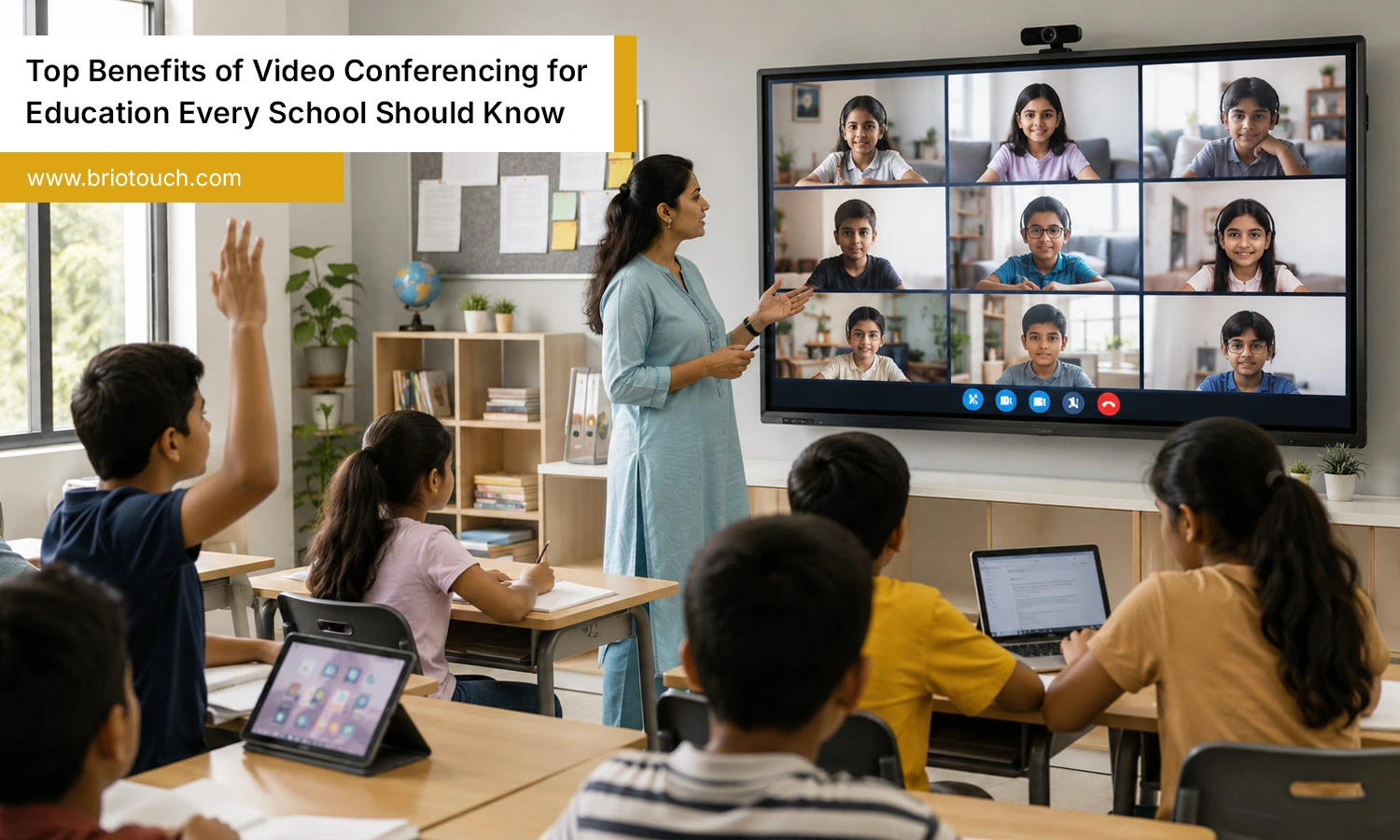
A classroom doesn’t always look the same from one day to the next. Some students are sitting at their desks, while others may be joining from home. A few years ago, managing that situation would have been difficult for most schools. Today, teachers can teach one lesson and reach both groups at the same time. Students who are not physically present can still listen, take part in discussions, and follow classroom activities. For schools, it provides a practical way to keep learning on track without creating separate lessons or schedules.
Key Advantages:
- Flexible attendance options
- Consistent learning experience
- Better classroom continuity
4. Enhances Teacher Collaboration
Teaching can be a bit isolating at times. A teacher may spend most of the day in a classroom and only get a few chances to catch up with colleagues. Yet those conversations matter. They’re often where new ideas, solutions, and teaching approaches come from. That’s one reason schools are using video conferencing for education more often. If a teacher wants feedback on a lesson or needs to discuss a student’s progress, arranging a quick virtual meeting is usually much easier than coordinating schedules for an in-person discussion. It keeps communication flowing and helps teaching teams stay connected, even when they’re working from different locations.
Key Advantages:
- Easier staff meetings
- Better curriculum planning
- Faster communication
5. Strengthens Parent-Teacher Communication
Finding a suitable time for parent-teacher meetings isn’t always easy. Parents have work commitments, teachers have packed schedules, and coordinating an in-person meeting can sometimes take longer than expected. That’s one reason many schools have started using video conferencing for education. Parents can join meetings from home, the office, or wherever they happen to be. This makes it easier to discuss a student’s progress, address concerns, and stay updated on classroom activities. When communication becomes more convenient, parents are often able to stay more involved in their child’s learning journey.
Key Advantages:
- Convenient virtual meetings
- Better parent involvement
- Faster communication
6. Encourages Collaborative Learning
Learning is often more effective when students work together and share ideas. Video conferencing platforms support collaborative learning through group discussions, virtual breakout rooms, and team-based projects. Students can interact with classmates, solve problems together, and develop important communication skills. These collaborative experiences help build confidence while encouraging teamwork and critical thinking. Such skills are valuable not only in education but also in future professional environments.
Key Advantages:
- Supports teamwork
- Encourages peer interaction
- Improves communication skills
7. Supports Inclusive Education
Every student has unique learning needs, and educational institutions must create environments that support diverse learners. Modern conferencing platforms often include accessibility features such as captions, recordings, and flexible viewing options. These tools help students learn at their own pace and review lessons whenever necessary. Video conferencing for education also makes learning more accessible for students facing physical, geographical, or scheduling challenges. This promotes greater educational equality and inclusion.
Key Advantages:
- Flexible learning options
- Accessibility features
- Better educational equality
8. Prepares Students for a Digital Future
Technology skills are becoming increasingly important in higher education and the workplace. Students who regularly use video conferencing tools become familiar with virtual communication, online collaboration, and digital presentations. These experiences help them develop practical skills that will be useful throughout their academic and professional lives. As remote work and virtual collaboration continue to grow, students who are comfortable using digital communication tools will be better prepared for future opportunities.
Key Advantages:
- Builds digital literacy
- Improves virtual communication skills
- Enhances career readiness
Key Features Schools Should Look for in a Video Conferencing Solution
HD Video and Audio Quality
Clear video and audio ensure that students can see presentations, hear instructions, and participate in discussions without interruptions. Quality communication improves learning experiences and reduces misunderstandings.
Screen Sharing Capability
Screen sharing allows teachers to present lessons, documents, videos, and educational resources directly to students. It helps make lessons more interactive and easier to understand.
Session Recording
Recording capabilities allow students to revisit lessons whenever needed. This feature is especially useful for revision, exam preparation, and supporting students who miss classes.
Security and Privacy Controls
Strong security features protect student information and prevent unauthorized access. Schools should prioritize platforms that offer secure meeting settings and privacy controls.
Device Compatibility
Students and teachers use different devices for learning. A conferencing platform should work smoothly across laptops, tablets, smartphones, and desktop computers.
Scalability
As schools grow, their communication needs may expand. A scalable solution can support increasing numbers of students, teachers, and virtual classrooms without compromising performance.
Conclusion
Modern education requires flexibility, accessibility, and effective communication. From supporting remote learners to improving collaboration among teachers, video conferencing has become an important educational tool. It encourages student engagement, strengthens parent involvement, supports hybrid learning, and helps create inclusive learning environments. Schools can also leverage this technology to connect students with industry experts and equip them with skills for an increasingly digital world. As schools, colleges, and training providers increasingly adopt digital technologies, video conferencing solutions are becoming an important part of modern education. They help institutions build stronger connections, improve student engagement, and deliver flexible learning experiences that prepare both educators and learners for the future.
Looking for reliable video conferencing solutions for educational institutions? Briotouch provides innovative conferencing solutions that enhance communication, collaboration, and interactive learning in today’s educational environments.
Frequently Asked Questions
How does video conferencing benefit education?
Video conferencing improves accessibility, engagement, and communication. It enables students and educators to engage from anywhere, making learning more interactive, collaborative, and flexible.
Is video conferencing suitable for hybrid classrooms?
Yes, it allows schools to deliver lessons to both classroom-based and remote learners at the same time, creating a more consistent and engaging learning experience for everyone.
What features should schools look for in a video conferencing platform?
Schools should prioritize HD video quality, screen sharing, recording, interactive tools, security features, device compatibility, and scalability to support evolving educational needs effectively.
Can video conferencing improve parent-teacher communication?
Yes, virtual meetings make communication more convenient, increase parent participation, and help teachers share updates quickly, leading to stronger support for student development and academic success.